Travel Guide to Dublin: Discover the Heart of Ireland
Travel Guide to Dublin: Discover the Heart of Ireland
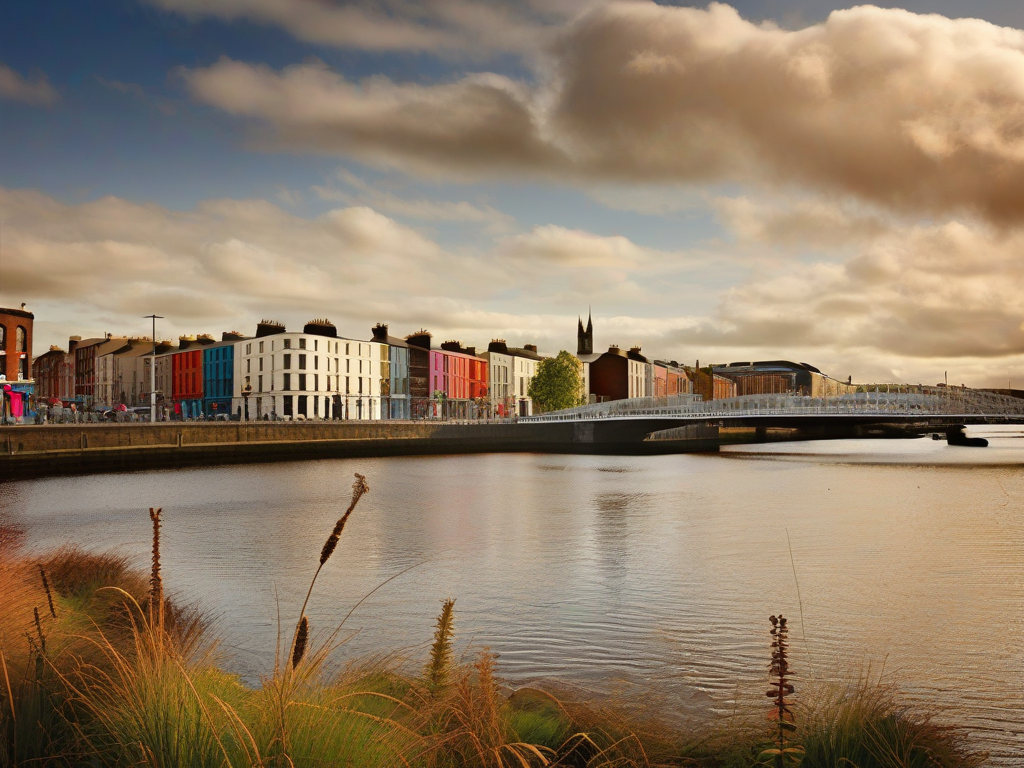
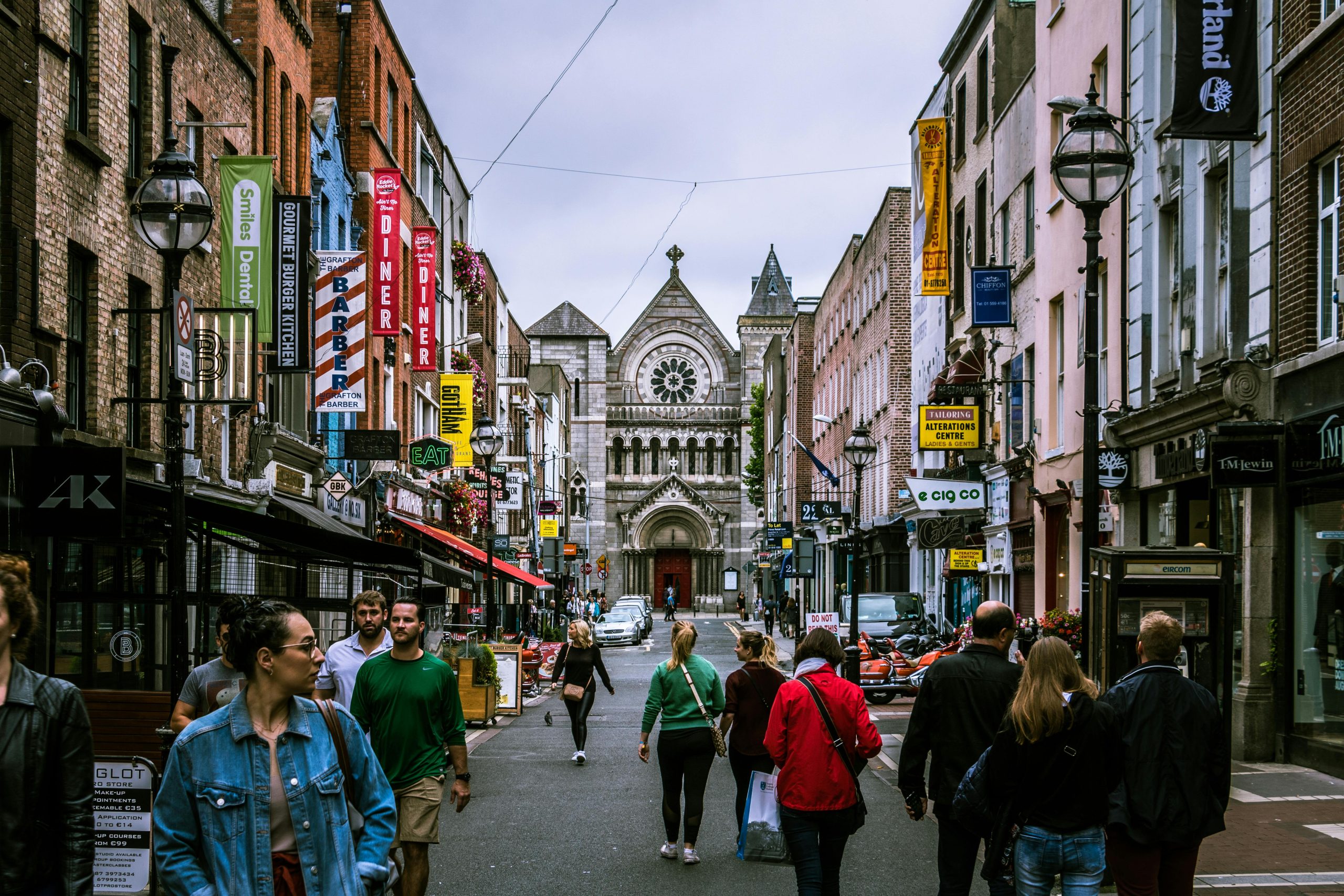
Dublin, the vibrant capital of Ireland, is a city that pulses with life, history, and culture. Nestled along the banks of the River Liffey, this enchanting metropolis seamlessly blends the old with the new. From its medieval castles and Georgian architecture to its bustling streets filled with modern cafes and shops, Dublin offers a unique tapestry of experiences that captivate every traveler.
As you wander through its charming neighborhoods, you will encounter a city rich in literary heritage, famously home to writers like James Joyce and Samuel Beckett. The warm hospitality of the locals adds to Dublin’s charm, making visitors feel welcomed and at ease. With a thriving arts scene, lively pubs, and a culinary landscape that celebrates both traditional Irish fare and contemporary cuisine, Dublin is a feast for the senses.
In this travel guide, you can expect to explore the city’s diverse neighborhoods, uncover hidden gems, and gain insights into local customs and traditions. Whether you’re a history buff, a foodie, or an adventure seeker, Dublin promises unforgettable experiences that will linger long after your visit.
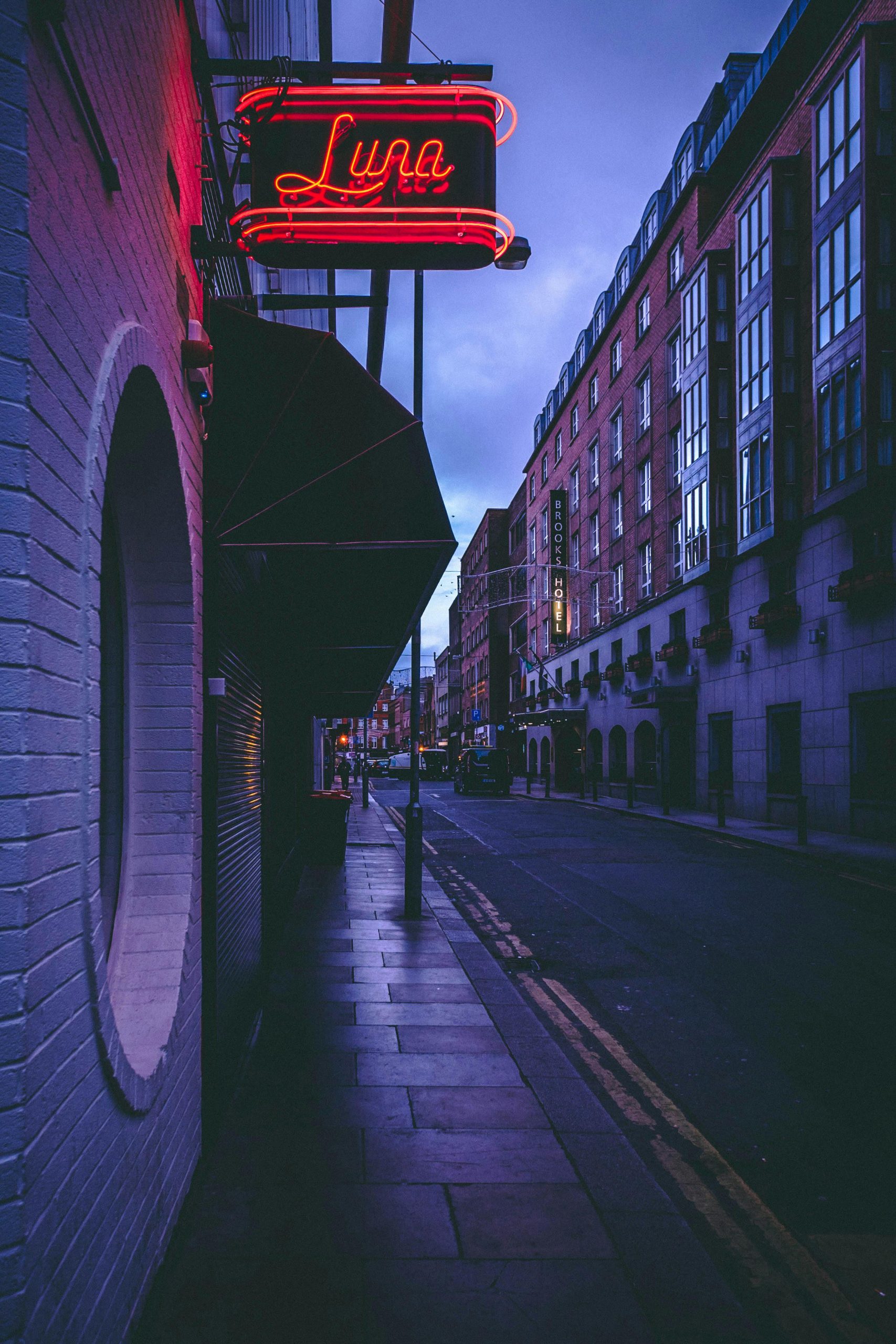
Discovering Dublin: A City Guide
Dublin, the vibrant capital of Ireland, is a city steeped in rich history, culture, and a lively atmosphere. Whether you are a history buff, a literature lover, or simply looking for a good pint of Guinness, Dublin has something for everyone. This guide highlights key elements that make Dublin a must-visit destination.
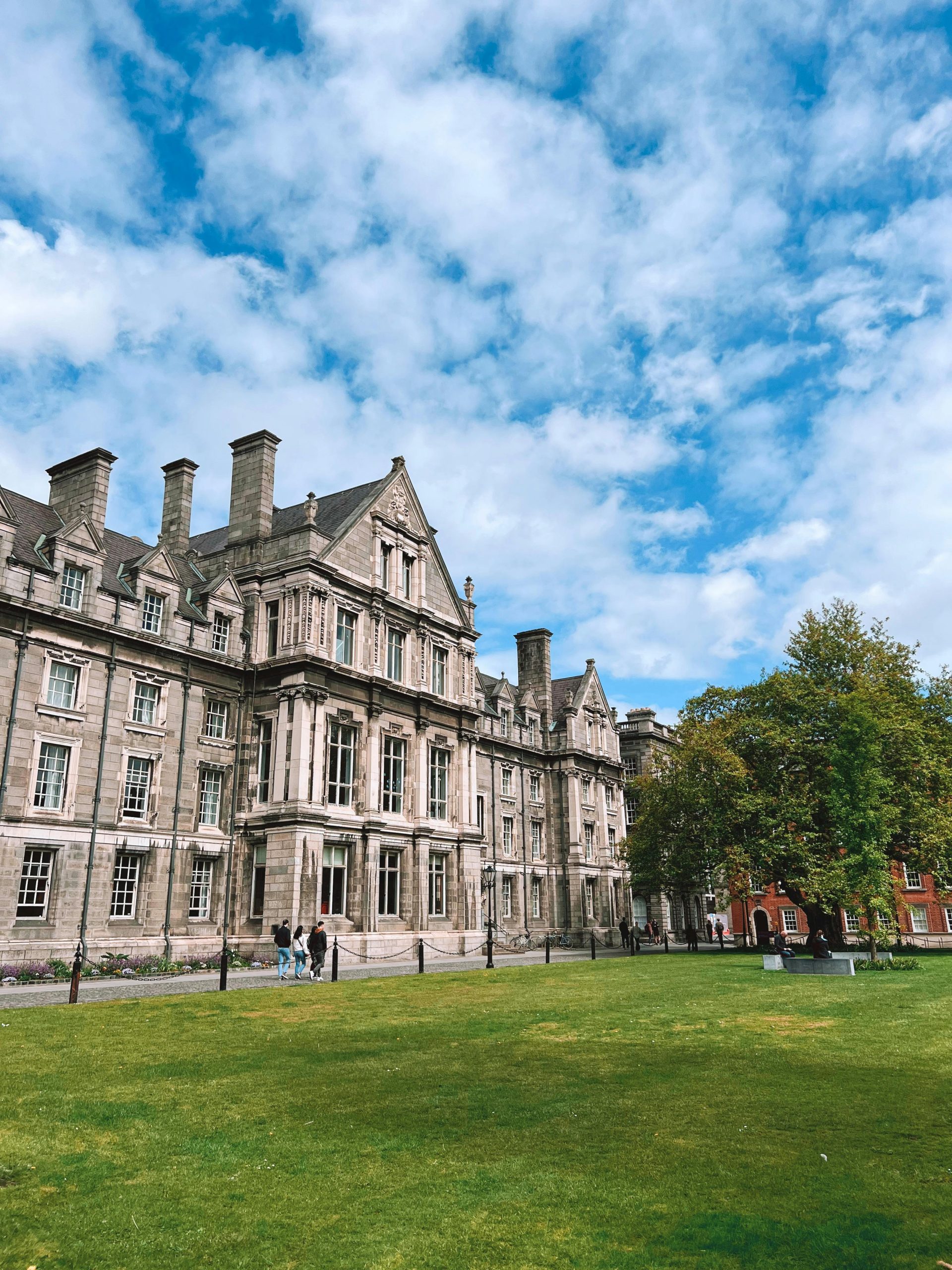
The Historic Trinity College Dublin
Trinity College Dublin, founded in 1592, is Ireland’s oldest university and a treasure trove of history. Its stunning campus features cobblestone paths and beautiful architecture, making it a picturesque spot for any visitor. The highlight here is the Book of Kells, an illuminated manuscript created by Celtic monks around 800 A.D. This masterpiece attracts thousands of visitors each year, showcasing intricate artwork and the rich history of Irish Christianity.
Visiting Trinity College is not just about viewing the Book of Kells. The Long Room library, with its towering wooden shelves filled with ancient texts, provides a breathtaking backdrop for book lovers and history enthusiasts alike.
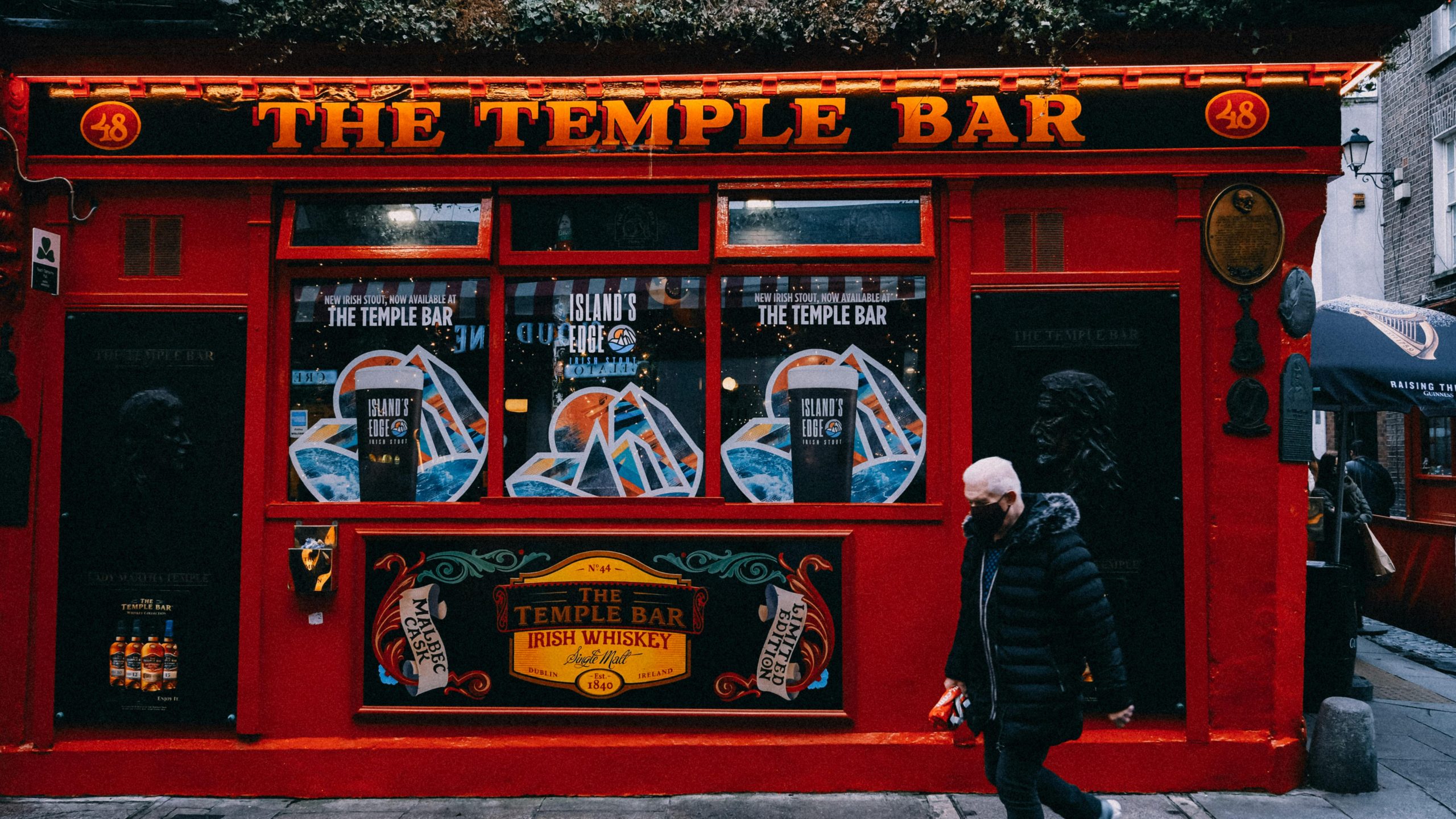
The Lively Temple Bar District
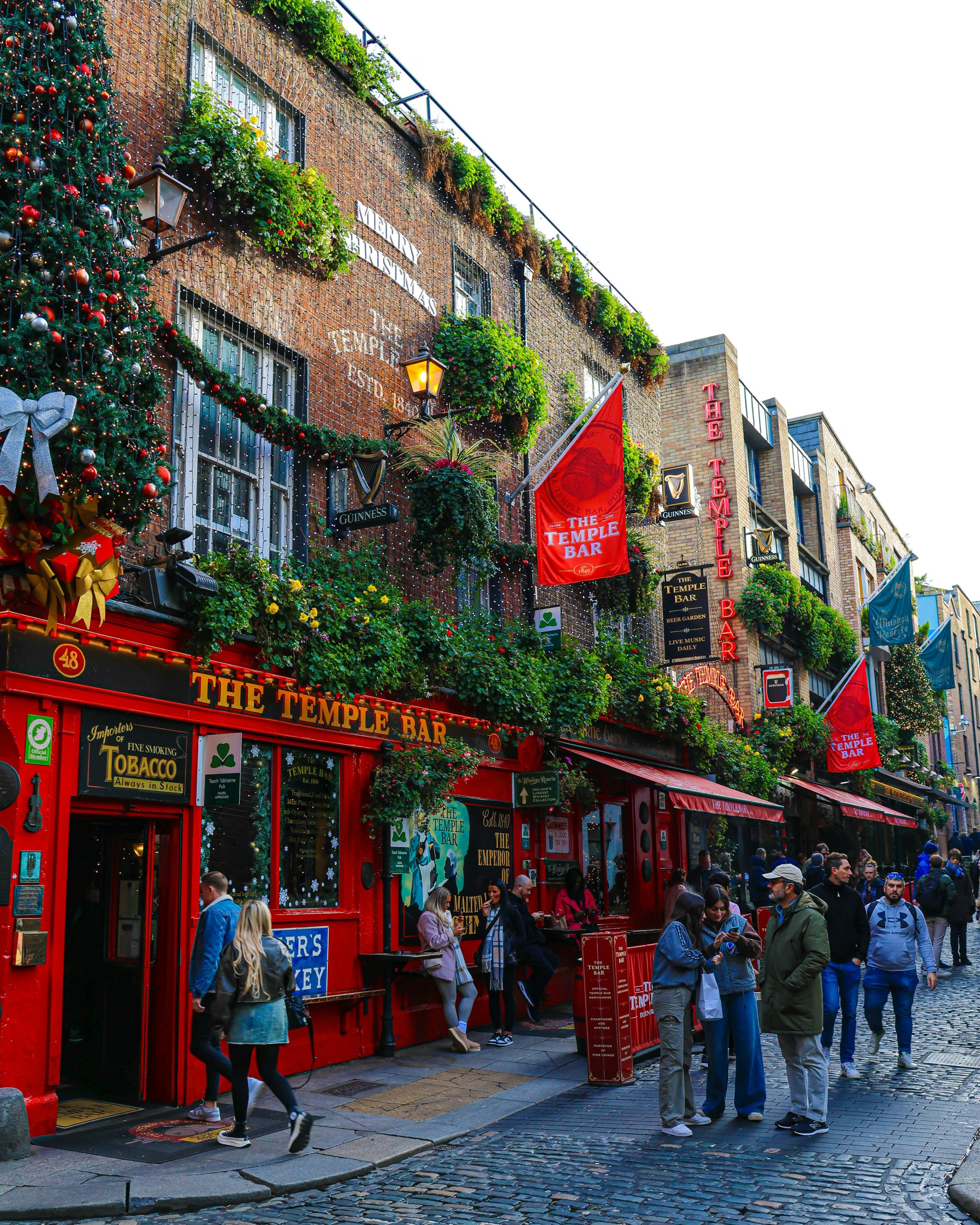
No trip to Dublin is complete without a visit to the Temple Bar district. This area is known for its vibrant nightlife, cobblestone streets, and colorful pubs. Temple Bar is the cultural quarter of Dublin, hosting numerous galleries, markets, and street performances.
Why is Temple Bar so special? The district is home to the Irish Film Institute, showcasing independent films, and the Temple Bar Food Market, where you can sample local delicacies every Saturday. The lively atmosphere makes it an excellent place to meet locals and immerse yourself in Dublin’s unique culture.
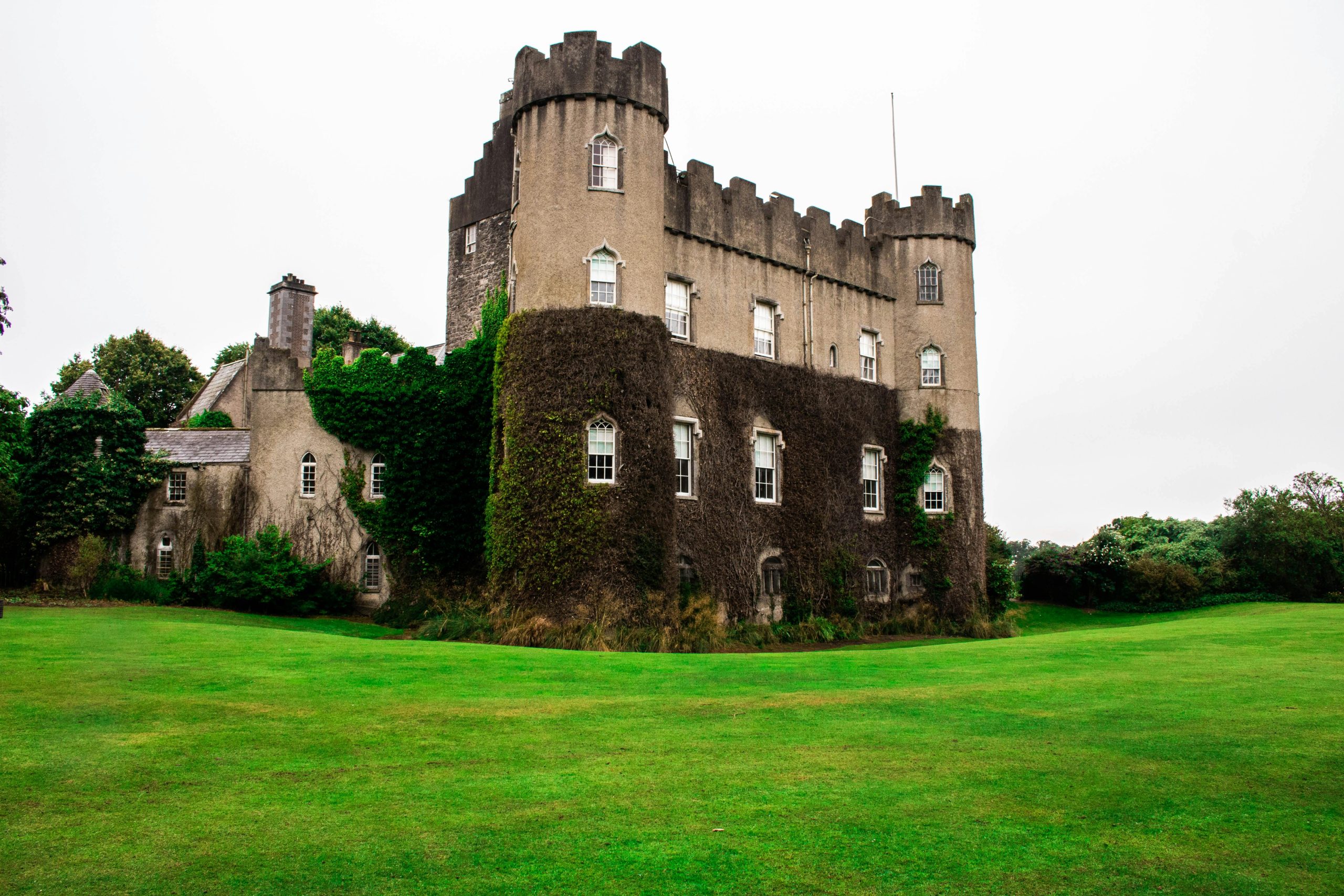
The Majestic Dublin Castle
Dublin Castle, originally built in the 13th century, is a stunning example of medieval architecture. The castle has served various roles, from a royal fortress to the seat of British rule in Ireland. Today, it stands as a symbol of Ireland’s complex history.
Visitors can explore the State Apartments, which are lavishly decorated and used for official functions. The gardens surrounding the castle offer a serene escape from the bustling city streets. With guided tours available, you can delve into the castle’s history and significance.
The Enchanting St. Patrick’s Cathedral
St. Patrick’s Cathedral, built in 1191, is the largest cathedral in Ireland and an architectural marvel. It is dedicated to Ireland’s patron saint, St. Patrick, who is said to have baptized converts here. The cathedral’s stunning Gothic architecture and beautiful stained glass windows are awe-inspiring.
Visiting the cathedral provides a glimpse into Ireland’s religious heritage. The surrounding park, with its lush greenery, is perfect for a leisurely stroll. Be sure to check out the Jonathan Swift memorial, honoring the famous author and former dean of the cathedral.

The Vibrant Dublin Bay
Dublin Bay offers stunning views and a refreshing escape from the city. The bay is dotted with charming seaside towns like Howth and Dun Laoghaire, each offering unique experiences.
Howth is famous for its picturesque cliffs and seafood restaurants, while Dun Laoghaire boasts a lovely harbor and scenic walks. A stroll along the bay is a great way to enjoy the fresh sea air and breathtaking landscapes. Additionally, you can take a ferry to explore nearby islands, making it a perfect day trip.

Dublin is a city that effortlessly blends its rich history with a modern, vibrant atmosphere. With so much to see and do, it promises an unforgettable travel experience. Whether you are exploring ancient castles or enjoying a pint in a lively pub, Dublin’s charm is sure to captivate you.
Best Time to Visit Dublin
Dublin, with its rich history and vibrant culture, attracts visitors year-round. However, the best time to visit depends on various factors, including weather, tourist seasons, and personal preferences.
Weather Considerations
The weather in Dublin can be quite unpredictable. Generally, the city experiences a temperate maritime climate. Summers (June to August) are mild, with average temperatures ranging from 15°C to 20°C. However, rain can occur at any time of the year, so packing an umbrella is wise. Winters (December to February) are cool, with temperatures averaging around 5°C to 8°C. While the weather is chilly, the festive atmosphere during Christmas is enchanting.
Peak Tourist Seasons
Summer is the peak tourist season in Dublin. Visitors flock to the city for outdoor festivals, events, and longer daylight hours. Major attractions can be crowded, and accommodation prices soar. If you prefer a lively atmosphere, this is the time to visit. However, be prepared for bustling streets and longer wait times at popular sites.
Off-Peak Benefits
Visiting during the shoulder seasons, like spring (March to May) or autumn (September to November), offers several advantages. During these months, you can enjoy:
- Fewer crowds at major attractions
- More affordable accommodation rates
- Beautiful scenery with blooming flowers in spring or colorful foliage in autumn
Additionally, winter months can be a charming time to explore Dublin. The city’s festive decorations and events provide a unique experience, although some attractions may have limited hours.
Summary of Pros and Cons
| Time to Visit | Pros | Cons |
|---|---|---|
| Summer | Mild weather, vibrant festivals, long days | Crowded attractions, high prices |
| Spring/Autumn | Fewer crowds, lower prices, beautiful scenery | Unpredictable weather |
| Winter | Festive atmosphere, unique experiences | Cold weather, limited attraction hours |
Ultimately, the best time to visit Dublin hinges on your preferences for weather, crowds, and activities. By considering these factors, you can tailor your trip to create the most enjoyable experience possible.
Getting to Dublin: Your Comprehensive Guide
Dublin, the vibrant capital of Ireland, is accessible through various transportation options. Whether you are flying in from abroad or traveling within the country, there are convenient ways to reach this lively city.
By Air: Flights to Dublin
Flying is the most popular way to reach Dublin. Dublin Airport (DUB) serves numerous international and domestic flights. Major airlines such as Aer Lingus and Ryanair offer frequent services. Here are some tips for flying into Dublin:
- Book flights in advance for the best deals.
- Check for direct flights from your location to save time.
- Consider off-peak travel times for cheaper fares.
By Train: Rail Connections
If you are traveling from other cities in Ireland, taking the train is a scenic and comfortable option. Irish Rail operates services from cities like Cork, Galway, and Belfast. Here’s what you should know:
- Purchase tickets online for discounts and to ensure availability.
- Check the schedule in advance to plan your trip effectively.
- Enjoy the beautiful Irish countryside during your journey.
By Bus: Affordable Travel
Buses are a budget-friendly way to reach Dublin. Several companies, including Bus Éireann and GoBus, connect major cities to Dublin. Consider these pointers:
- Book tickets ahead of time, especially during peak seasons.
- Look for express services for faster travel.
- Check for student or group discounts if applicable.
By Car: Renting a Vehicle
Renting a car offers flexibility and convenience for exploring Dublin and its surroundings. Here are some tips for driving in Dublin:
- Familiarize yourself with local driving laws, including driving on the left.
- Book your rental car online for the best rates.
- Consider parking options in advance, as city parking can be limited.
Regardless of your chosen method, Dublin welcomes travelers with open arms. Be sure to explore the city’s rich culture and history once you arrive!
Best Places to Stay in Dublin
Dublin, the vibrant capital of Ireland, offers a wide range of accommodations to suit every traveler’s budget. From luxurious hotels to cozy hostels, you can find a place that meets your needs while immersing yourself in the city’s rich culture. Here are some top recommendations across different price ranges.
Luxury Options
If you’re looking for an opulent stay, consider the following high-end hotels:
- The Shelbourne Dublin – This historic hotel is located in St. Stephen’s Green. With its elegant rooms and exceptional service, it offers a taste of Dublin’s grandeur. Guests enjoy the luxurious spa and fine dining options, making it a perfect retreat after a day of exploring.
- The Merrion Hotel – Situated near the National Gallery, The Merrion boasts a stunning Georgian architecture. The hotel features exquisite art collections and beautifully appointed rooms. Its Michelin-starred restaurant, Patrick Guilbaud, is a culinary highlight, ensuring a memorable dining experience.
Mid-Range Choices
For those seeking comfort without breaking the bank, these mid-range hotels are excellent options:
- The Alex Dublin – This contemporary hotel is located near the city center. It offers stylish rooms, a lively bar, and a restaurant serving locally sourced dishes. The Alex is perfect for travelers who want to be close to attractions like Trinity College and the Abbey Theatre.
- The Dean Dublin – Known for its quirky design and vibrant atmosphere, The Dean features a rooftop bar with stunning views of the city. Each room is uniquely designed, providing a fun and comfortable stay. The location in the trendy Camden Street area is ideal for nightlife and dining.
Budget-Friendly Stays
Travelers on a budget will find these affordable accommodations to be both welcoming and convenient:
- Generator Dublin – This stylish hostel is located in Smithfield, a lively area filled with cafes and bars. It offers both dormitory and private rooms, making it a great choice for solo travelers and groups alike. The on-site bar and social events encourage mingling with other guests.
- Isaacs Hostel – Located near the bus and train stations, Isaacs provides a friendly atmosphere and clean accommodations. The hostel features a cozy lounge and a self-catering kitchen, allowing guests to save on meals. It’s an excellent base for exploring Dublin’s attractions.
In conclusion, Dublin has a diverse range of accommodations that cater to various budgets. Whether you opt for luxury or budget-friendly options, you will find a place that enhances your travel experience in this enchanting city.
Essential Travel Products for Dublin Visitors
When visiting Dublin, having the right travel products can enhance your experience significantly. Here are two must-have items that will make your trip more enjoyable and convenient.
1. Dublin Pass
The Dublin Pass is an all-in-one sightseeing card that provides access to over 30 attractions in the city. This card is incredibly useful for travelers who want to explore Dublin’s rich history and vibrant culture without breaking the bank. Here are some key features:
- Access to Popular Attractions: The pass includes entry to places like Dublin Castle, the Guinness Storehouse, and the Dublin Zoo.
- Skip-the-Line Benefits: Enjoy priority access at certain locations, saving you time during peak tourist seasons.
- Public Transport Options: Some passes include transport options, making it easier to get around the city.
- Flexible Duration: Choose from 1, 2, or 3-day options based on your travel itinerary.
You can purchase the Dublin Pass online through their official website or at various tourist information centers in the city. This pass not only saves money but also allows you to experience Dublin’s top attractions hassle-free.
2. Portable Wi-Fi Hotspot
Staying connected while exploring Dublin is essential, and a Portable Wi-Fi Hotspot provides a reliable solution. This device allows you to access the internet anywhere in the city, which is crucial for navigating and sharing your adventures. Here’s why it’s a great choice:
- Unlimited Data: Enjoy unlimited data usage, which is perfect for uploading photos and using navigation apps.
- Multiple Connections: Connect multiple devices at once, making it ideal for families or groups.
- Easy to Use: Simply turn it on, and you’ll have instant access to Wi-Fi, without needing to hunt for cafés or public hotspots.
You can rent a portable Wi-Fi hotspot from various providers at the airport or through online booking services before your trip. Staying connected will help you make the most of your Dublin experience.
Recommended Travel Guide Books for Dublin
Having a good guidebook can enhance your travel experience in Dublin. Here are three excellent options available on Kindle Unlimited and Audible that provide valuable insights and tips.
1. Rick Steves Dublin
Available on both Kindle Unlimited and Audible, Rick Steves Dublin offers a comprehensive overview of the city. This guidebook is perfect for first-time visitors, as it includes:
- Detailed Itineraries: Suggested itineraries help you make the most of your time.
- Local Insights: Rick shares tips on where to eat, stay, and explore, ensuring you experience authentic Dublin.
- Maps and Photos: Visual aids make navigation easier and enhance your understanding of the city’s layout.
2. Lonely Planet Dublin
Lonely Planet Dublin is another excellent resource available on Kindle Unlimited and Audible. This guide is known for its thoroughness and up-to-date information. Key features include:
- Comprehensive Coverage: Covers everything from popular attractions to off-the-beaten-path gems.
- Practical Tips: Offers advice on transportation, accommodation, and local customs.
- Culture and History: Provides context about Dublin’s rich heritage, making your visit more meaningful.
3. The Rough Guide to Dublin
The Rough Guide to Dublin is perfect for travelers who want a more in-depth understanding of the city. Available on Kindle Unlimited and Audible, this guide includes:
- In-Depth Articles: Detailed sections on history, culture, and local life give readers a deeper appreciation of Dublin.
- Practical Information: Essential travel tips, including safety advice and local etiquette.
- Recommendations: Suggestions for restaurants, bars, and entertainment options that cater to various budgets.
These guidebooks will empower you to navigate Dublin like a local, ensuring an unforgettable experience in this vibrant city.
Travel Guide Dublin: Frequently Asked Questions
1. What is the best time to visit Dublin?
The ideal time to visit Dublin is from late spring to early autumn, specifically between May and September. During these months, the weather is generally mild, with average temperatures ranging from 15°C to 20°C (59°F to 68°F). Additionally, you can enjoy various festivals and outdoor events, making your visit more vibrant.
2. How can I get around Dublin?
Dublin offers several convenient transportation options:
- Public Transport: The Dublin Bus and Luas tram system are efficient and cover most tourist attractions.
- Bicycles: Consider renting a bike through the Dublinbikes scheme for a fun way to explore the city.
- Walking: Many attractions are within walking distance of each other, making it easy to explore on foot.
3. What are the must-see attractions in Dublin?
Dublin is rich in history and culture. Here are some highlights:
- Trinity College and the Book of Kells: A must-visit for history enthusiasts.
- Dublin Castle: Explore the stunning architecture and gardens.
- Guinness Storehouse: Learn about Ireland’s iconic beer and enjoy panoramic views from the Gravity Bar.
4. Are there any local dishes I should try?
Absolutely! Dublin is known for its hearty cuisine. Don’t miss:
- Irish Stew: A traditional dish made with lamb, potatoes, and carrots.
- Boxty: A type of potato pancake that is a local favorite.
- Full Irish Breakfast: A filling meal including eggs, sausages, and black pudding.
5. Is Dublin a safe city for travelers?
Yes, Dublin is generally safe for tourists. However, like any major city, it’s wise to stay vigilant. Keep an eye on your belongings, especially in crowded areas. Additionally, it’s best to avoid poorly lit streets at night.
6. What is the local currency, and should I exchange money before my trip?
The local currency is the Euro (€). While you can exchange money upon arrival, it might be beneficial to do so in advance to avoid unfavorable rates at airports. Most establishments accept credit and debit cards, making transactions convenient.
7. Are there any cultural tips for visiting Dublin?
Understanding local customs can enhance your experience. Here are a few tips:
- Be Polite: Greeting locals with a simple “Hello” or “How are you?” goes a long way.
- Respect Pub Etiquette: If you order food, be prepared to pay at the bar.
- Enjoy the Pace: Dubliners appreciate a slower pace, so take your time while exploring.
By keeping these tips in mind, your Dublin adventure will be both enjoyable and memorable!
Conclusion: Embrace the Charm of Dublin
As you explore Dublin, you will discover a vibrant city rich in history, culture, and warmth. From the iconic landmarks like Trinity College and Dublin Castle to the lively atmosphere of Temple Bar, each corner of this city has a story to tell. The blend of traditional Irish hospitality and modern flair makes Dublin a unique destination for travelers of all kinds.
Don’t forget to indulge in the local cuisine, whether it’s enjoying a hearty Irish breakfast or savoring a pint of Guinness at the famous brewery. Additionally, the city’s numerous parks, museums, and galleries offer a perfect balance of relaxation and inspiration.
To make the most of your visit, consider these key points:
- Plan your itinerary to include both historical sites and contemporary attractions.
- Engage with locals to gain insider insights and recommendations.
- Explore beyond the city center to discover hidden gems.
Now is the perfect time to book your trip and immerse yourself in the magic of Dublin. Whether you are a history buff, a foodie, or an art lover, this city promises an unforgettable experience. So pack your bags, and let Dublin’s charm sweep you off your feet!