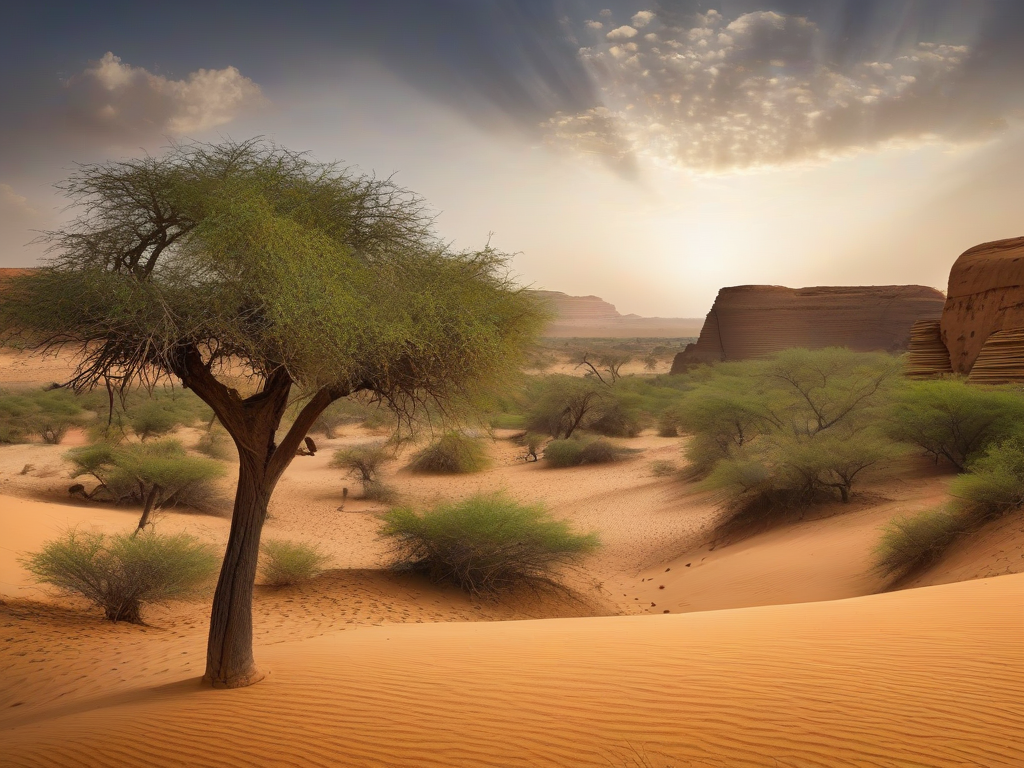
Travel Guide to Mali: Discover the Heart of West Africa
Unveiling Mali: A Journey Through a Cultural Mosaic
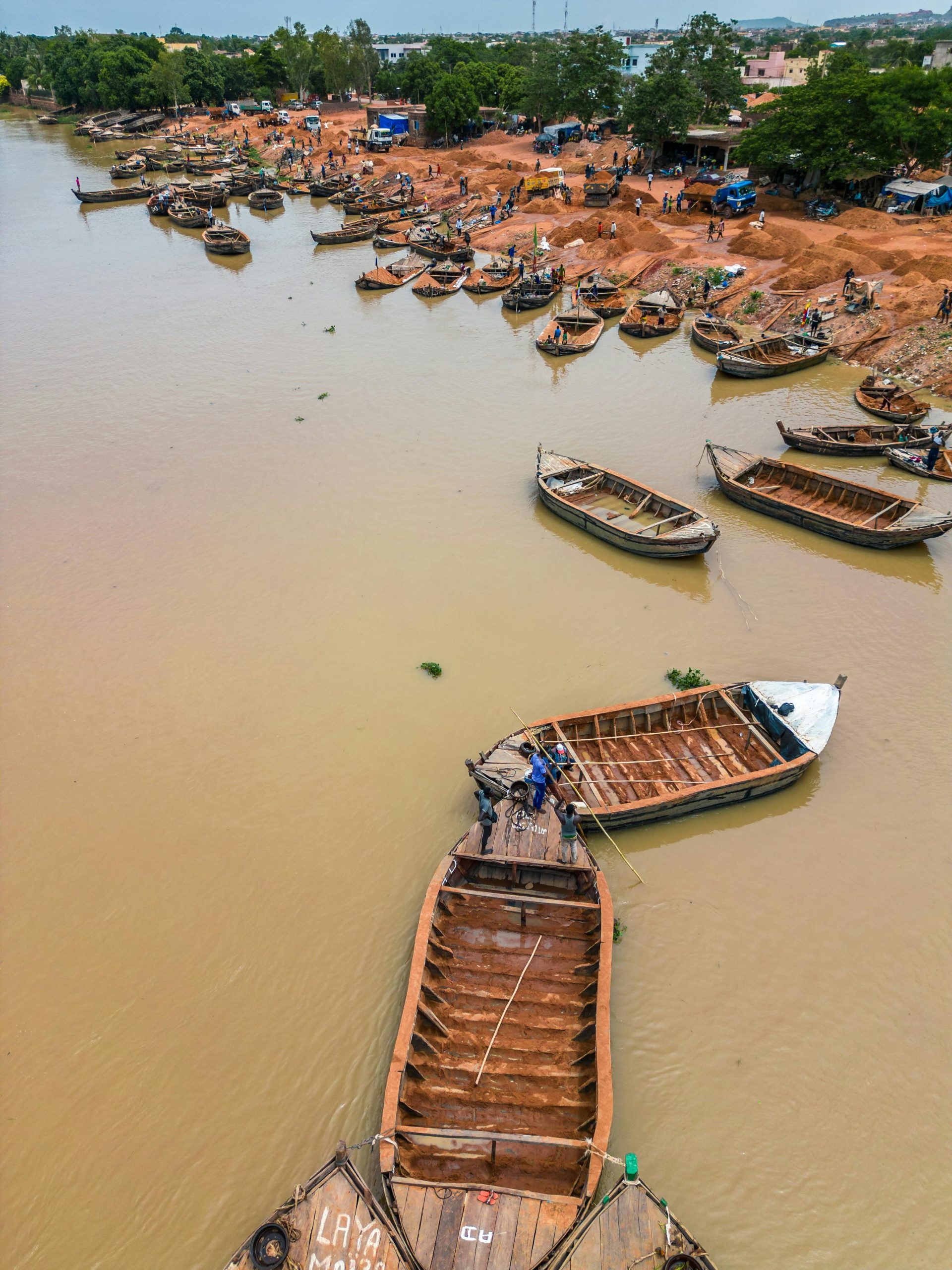
Mali, a landlocked gem in West Africa, is a destination that captivates the imagination with its rich tapestry of history, culture, and breathtaking landscapes. Often overshadowed by its more popular neighbors, Mali offers a unique experience that invites travelers to explore its vibrant traditions and resilient spirit. From the ancient city of Timbuktu, once a thriving center of trade and learning, to the majestic Niger River that winds through its heart, Mali is a country where every corner tells a story.
As you navigate through this travel guide, expect to uncover the essence of Mali’s diverse culture, the warmth of its people, and the stunning natural beauty that defines this remarkable destination. You will learn about the traditional music that resonates in the air, the intricate crafts that adorn local markets, and the culinary delights that await your palate. Whether you are an adventurous explorer or a cultural enthusiast, Mali promises an unforgettable journey that transcends the ordinary. Get ready to embark on a voyage that celebrates the soul of West Africa.
Exploring the Unique Islands of Mali
Mali may not be the first destination that comes to mind when considering island getaways, but it possesses a unique charm that is often overlooked. Nestled in West Africa, Mali is home to the stunning Bandiagara Escarpment and the enchanting Lake Niger, both of which offer a variety of island-like experiences. Here are the highlights that make Mali an intriguing travel destination for island enthusiasts.
Bandiagara Escarpment: A Cultural Island

The Bandiagara Escarpment is a UNESCO World Heritage site that rises dramatically from the flat plains of Mali. This stunning geological formation is often referred to as the “cliff of the Dogon people,” who have lived in this area for centuries. The escarpment is dotted with traditional villages, each resembling an island of culture and history.
Visitors can explore ancient cliff dwellings, rock paintings, and sacred sites that reflect the rich traditions of the Dogon community. The breathtaking views from the top of the escarpment provide a sense of isolation and tranquility, akin to being on a remote island. When you hike through the winding paths, you will encounter local artisans and vibrant markets that showcase the region’s craftsmanship.
Key Highlights:
– Cultural Richness: Engage with the Dogon people and learn about their unique cosmology and art.
– Hiking Opportunities: Experience stunning landscapes and diverse wildlife.
– Traditional Festivals: Attend local festivals that celebrate the Dogon’s rich heritage.
Lake Niger: A Serene Oasis
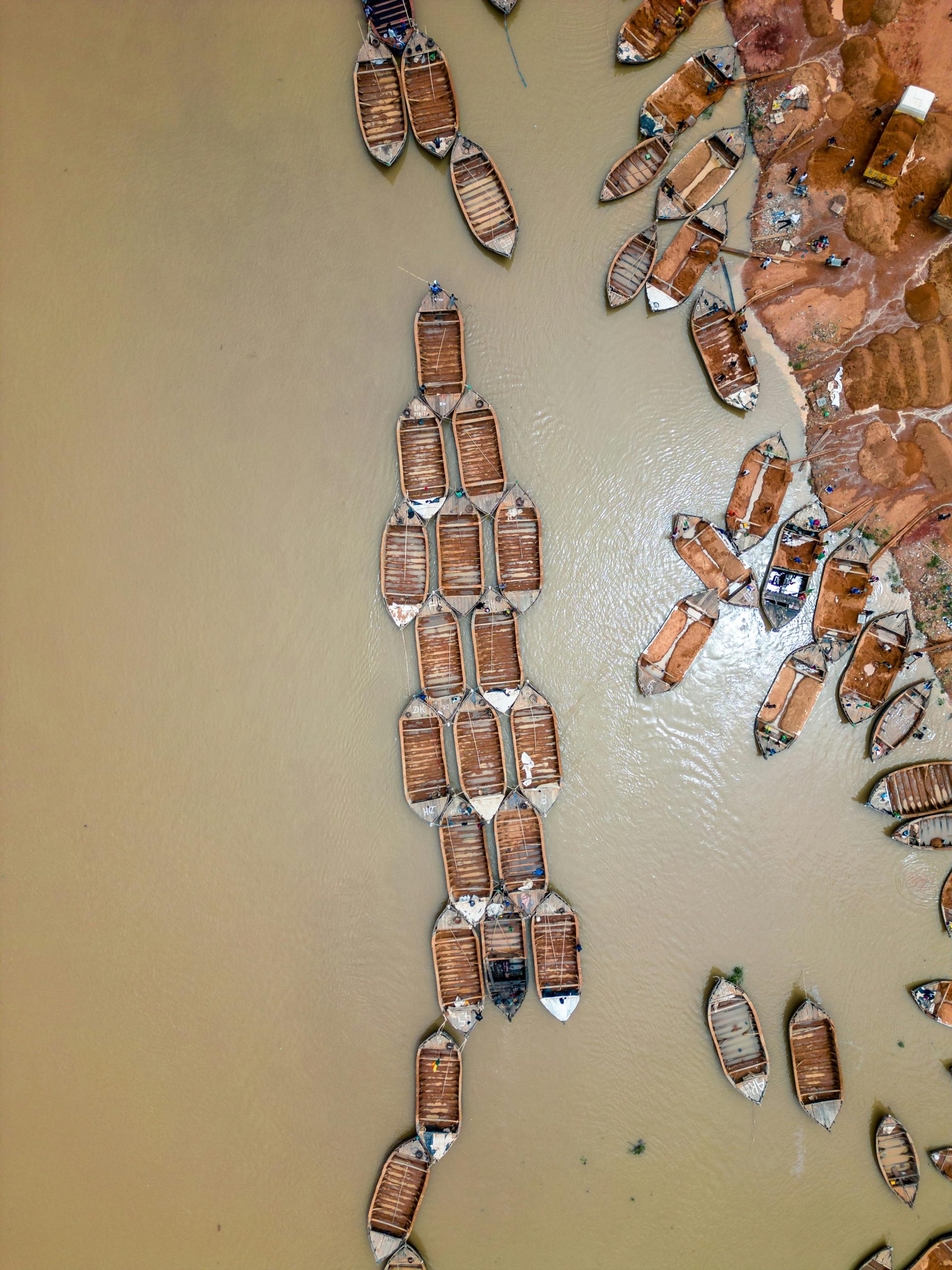
Lake Niger is another gem that offers an island-like escape. This vast water body serves as a crucial resource for the surrounding communities and is teeming with aquatic life. The lake is dotted with small islands that provide a serene atmosphere for visitors seeking relaxation and adventure.
The area around Lake Niger is perfect for birdwatching, fishing, and boat tours. You can hire local guides who will take you on a journey through the labyrinth of waterways, where you can witness the vibrant ecosystem up close. The tranquility of the lake and its islands makes it a perfect spot for picnics or simply soaking in the natural beauty.
Key Highlights:
– Biodiversity: Observe a variety of bird species and other wildlife.
– Culinary Delights: Enjoy fresh fish dishes prepared by local chefs.
– Cultural Exchange: Interact with fishermen and learn about their traditional practices.
Accessibility and Travel Tips
To truly appreciate the island-like experiences in Mali, consider these practical travel tips:
– Best Time to Visit: The dry season, from November to February, is ideal for exploring the escarpment and lake.
– Local Transportation: Utilize local taxis or hire a guide to navigate the terrain effectively.
– Cultural Sensitivity: Always respect local customs and traditions, especially in rural areas.
In conclusion, while Mali may not boast traditional islands, its unique landscapes and rich cultures create an island-like experience that is both captivating and enriching. Whether you are hiking the Bandiagara Escarpment or relaxing by Lake Niger, you will discover a side of Mali that is often overshadowed by its more famous neighbors. So pack your bags and prepare for an unforgettable adventure in this hidden gem of West Africa.
Best Time to Visit Mali
Choosing the right time to visit Mali can significantly enhance your travel experience. The country offers diverse landscapes, rich culture, and historical sites, but the weather and tourist seasons play a crucial role in your visit.
Weather Considerations
Mali experiences a tropical climate, characterized by a dry season and a wet season. The dry season, from November to February, is generally considered the best time to visit. During these months, temperatures are more moderate, ranging from 20°C to 30°C (68°F to 86°F). This period is ideal for exploring the bustling markets of Bamako or the ancient city of Timbuktu.
Conversely, the wet season, which runs from June to September, brings heavy rainfall and high humidity. While this season can make travel challenging, it also transforms the landscape into a lush paradise. If you appreciate natural beauty and fewer crowds, you might enjoy visiting during this time.
Peak Tourist Seasons
The peak tourist season aligns with the dry months. Consequently, from December to February, expect larger crowds and higher accommodation prices. Many travelers flock to Mali during this period to enjoy festivals, cultural events, and comfortable weather.
Off-Peak Benefits
Visiting during the off-peak months can offer unique advantages:
– Lower Prices: Accommodation and tours are generally cheaper.
– Fewer Crowds: Experience sites like the Niger River or the Dogon Country with fewer tourists.
– Local Interactions: Engage more deeply with locals, as they are less busy catering to tourists.
Summary of Pros and Cons
| Pros | Cons |
|---|---|
| Moderate weather in the dry season | Higher prices during peak season |
| Vibrant festivals and events | Limited access to some areas during wet season |
| Fewer tourists in off-peak months | Higher humidity and rainfall in wet season |
| Lower accommodation costs in off-peak | Potential for travel disruptions due to weather |
In conclusion, your ideal time to visit Mali depends on your preferences for weather, crowd levels, and cultural experiences. Whether you choose the vibrant dry season or the serene beauty of the wet season, Mali promises a unique adventure.
Getting to Mali: A Comprehensive Guide
Mali, known for its rich history and vibrant culture, is a unique travel destination in West Africa. Reaching Mali can be an adventure in itself, with various transportation options available. Here’s a detailed look at how to get there.
By Air: The Fastest Route
The most efficient way to reach Mali is by air. The main international gateway is Bamako-Sénou International Airport (BKO). Major airlines operate flights from various continents, including:
- Air France from Paris
- Royal Air Maroc from Casablanca
- Turkish Airlines from Istanbul
Upon arrival, travelers can easily find local taxis or shuttle services to reach their accommodations in Bamako or other destinations.
Overland Options: Buses and Trains
If you prefer a more immersive experience, consider traveling by bus or train. While Mali does not have an extensive train system, several bus companies operate routes connecting Bamako with neighboring countries like Senegal and Ivory Coast. Popular bus services include:
- Transports du Mali
- Intercity Buses
Traveling by bus allows you to witness the stunning landscapes of West Africa. However, be prepared for longer travel times and varying comfort levels.
Car Rentals: Explore at Your Own Pace
For those who enjoy flexibility, renting a car is an excellent option. Various rental agencies are available in Bamako. Here are some tips:
- Ensure you have an international driving permit.
- Familiarize yourself with local driving laws.
- Consider hiring a local guide for added safety and insight.
Driving in Mali can be challenging, especially outside urban areas, so plan your routes carefully.
Travel Tips and Important Information
Before you embark on your journey to Mali, keep these essential tips in mind:
- Check visa requirements well in advance.
- Stay updated on local travel advisories.
- Health precautions, such as vaccinations, may be necessary.
With careful planning, your trip to Mali can be both enjoyable and enriching. Whether you choose to fly, take a bus, or drive, each mode of transport offers a unique perspective on this vibrant country.
Best Places to Stay in Mali
Mali, a country rich in history and culture, offers a range of accommodations to suit every traveler’s budget. From luxury resorts to budget-friendly hostels, there is something for everyone. Here are some top recommendations categorized by budget, ensuring you find the perfect place to stay during your visit.
Luxury Options
For those seeking a lavish experience, these luxury accommodations provide comfort and exceptional service.
- Hotel Laico Amaryllis – Located in Bamako, this hotel features stunning views of the Niger River. Guests can enjoy spacious rooms, a beautiful pool, and an on-site restaurant serving gourmet cuisine. The hotel’s proximity to local attractions makes it a prime choice for travelers who want both relaxation and exploration.
- Radisson Blu Hotel – This modern hotel offers a blend of luxury and convenience. With its elegant design, it features a fitness center, spa services, and a rooftop terrace with panoramic views. Ideal for business travelers, it also provides easy access to the city’s commercial areas.
Mid-Range Options
If you’re looking for comfort without breaking the bank, consider these mid-range options.
- Hotel L’Amitié – Situated in the heart of Bamako, this hotel combines affordability with quality. Guests appreciate the friendly staff, clean rooms, and a delightful restaurant serving local dishes. Its central location makes it easy to explore nearby markets and cultural sites.
- La Maison de la Presse – This charming hotel offers a cozy atmosphere with a touch of local flair. Guests can enjoy spacious rooms and a lovely garden area. The hotel also hosts art exhibitions, providing a unique cultural experience during your stay.
Budget Options
Travelers on a tight budget will find plenty of affordable accommodations without sacrificing comfort.
- Hostel Bamako – A popular choice among backpackers, this hostel offers dormitory-style and private rooms. The communal kitchen and lounge area foster a friendly atmosphere. Additionally, it is conveniently located near public transportation for easy access to the city.
- Hotel Sogokani – This economical hotel provides basic amenities and a welcoming environment. With clean rooms and a friendly staff, it is an excellent option for those looking to save while still enjoying a pleasant stay.
In conclusion, Mali offers diverse accommodation options that cater to various budgets. Whether you choose luxury, mid-range, or budget options, each place provides a unique experience that enhances your visit to this vibrant country. With a focus on local culture and hospitality, you are sure to find a perfect home base for your adventures in Mali.
Essential Travel Products for Visitors to Mali
Traveling to Mali offers a unique blend of rich culture, history, and stunning landscapes. To make the most of your journey, consider investing in these essential travel products that cater specifically to the needs of visitors in this vibrant West African nation.
Portable Water Purifier
One of the most crucial travel products for anyone visiting Mali is a portable water purifier. Given the varying quality of tap water, having a reliable way to ensure safe drinking water is essential.
Product Name: LifeStraw Personal Water Filter
Features: This lightweight, easy-to-use filter allows travelers to drink directly from rivers or lakes. It removes 99.9999% of bacteria and 99.9% of protozoa, ensuring that you stay hydrated without the risk of waterborne illnesses.
Where to Buy: Available on Amazon and outdoor retailers like REI.
Travel Adapter and Power Bank
Staying connected while traveling is vital, especially in a country where electricity supply can be unpredictable. A travel adapter and power bank will help ensure your devices remain charged.
Product Name: EPICKA Universal Travel Adapter
Features: This versatile adapter works in over 150 countries, including Mali. It features multiple USB ports, allowing you to charge several devices simultaneously. The built-in fuse provides safety against power surges.
Where to Buy: Find it on Amazon or at electronics retailers.
Recommended Travel Guide Books for Mali
To enhance your travel experience, consider reading these insightful guidebooks available on Kindle Unlimited and Audible. Each book offers unique perspectives, practical advice, and captivating stories about Mali.
Mali: A Cultural History
This book dives deep into the cultural heritage of Mali, exploring its ancient empires and diverse communities. It provides travelers with a comprehensive understanding of the local customs and traditions, enriching their interactions with locals.
Lonely Planet West Africa
This guide covers not only Mali but also the surrounding countries, making it a great resource for those looking to explore the region. It includes detailed maps, itineraries, and recommendations for accommodations and dining, ensuring a well-rounded travel experience.
Bradt Travel Guide: Mali
Bradt’s guide is known for its in-depth coverage of off-the-beaten-path destinations. It offers practical tips on navigating the country, safety advice, and cultural insights. This book is especially beneficial for adventurous travelers seeking to explore Mali’s hidden gems.
By utilizing these travel products and guidebooks, you can ensure a safe, enjoyable, and enriching experience while exploring the captivating landscapes and vibrant culture of Mali. Whether it’s staying hydrated or understanding local customs, being well-prepared can make all the difference in your journey.
Travel Guide to Mali: Frequently Asked Questions
1. What are the must-visit islands in Mali?
Mali is home to several beautiful islands, particularly in the Niger River. The most notable is Bamako Island, known for its lush landscapes and vibrant local culture. Koro Island is another gem, offering serene views and opportunities for fishing and birdwatching.
2. What is the best time to visit Mali?
The ideal time to explore Mali is during the dry season, from November to February. During these months, temperatures are much cooler, making it pleasant for outdoor activities. Additionally, the scenery is stunning, with clear skies and vibrant landscapes.
3. How can I travel between islands in Mali?
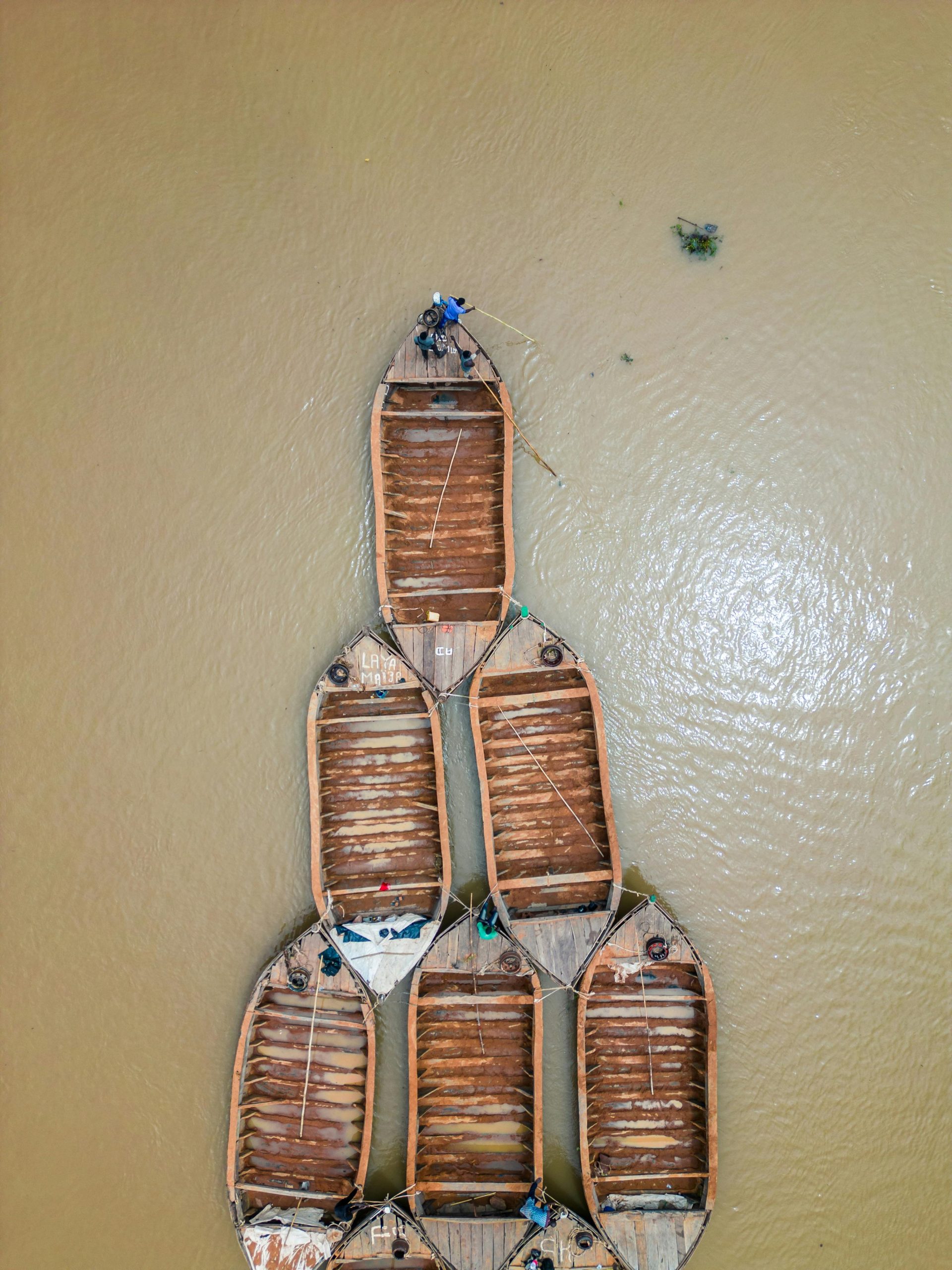
Traveling between islands is primarily done by boat. Local ferries operate regularly, connecting major points along the Niger River. It’s advisable to check schedules in advance, as they can vary based on the season. Private boat rentals are also available for a more personalized experience.
4. What cultural experiences can I enjoy on the islands?
Each island has its unique cultural offerings. Visitors can engage in traditional fishing activities, participate in local festivals, and explore artisan markets. Additionally, cooking classes featuring local cuisine provide a deeper understanding of Mali’s rich culinary heritage.
5. Are there any health precautions I should take?
Yes, it is essential to take health precautions when traveling to Mali. Here are some recommendations:
- Consult your doctor about vaccinations before your trip.
- Carry mosquito repellent to protect against malaria.
- Drink bottled water to avoid waterborne illnesses.
6. What should I pack for my trip to Mali’s islands?
When visiting Mali, consider packing the following essentials:
- Lightweight clothing for warm weather.
- Comfortable shoes for walking.
- Sun protection, including hats and sunglasses.
- Camera to capture the stunning landscapes.
7. How safe is it to travel to Mali?
While Mali has beautiful destinations, safety can be a concern. It is advisable to stay updated on travel advisories and avoid certain regions. Always connect with local guides who understand the area and can ensure a safe experience. Additionally, staying in reputable accommodations can enhance your safety during your travels.
Conclusion: Your Adventure Awaits in Mali
Mali, a land rich in culture and history, offers travelers an unforgettable experience. From the stunning landscapes of the Niger River to the vibrant markets of Bamako, this destination has something for everyone. You can explore the ancient city of Timbuktu, known for its historical significance and breathtaking architecture. The local cuisine, filled with unique flavors and spices, is a culinary journey in itself.
As you embark on your adventure, consider immersing yourself in the local traditions. Engage with the friendly communities, discover their art, and participate in festivals that showcase Mali’s diverse heritage. Remember, each corner of this beautiful country tells a story waiting to be uncovered.
Are you ready to experience the magic of Mali? Start planning your trip today and dive into the vibrant culture and stunning landscapes that await you. Whether you seek adventure or relaxation, Mali promises an enriching experience that will stay with you long after you leave.